Interior Mouldings: The Detail That Defines a Luxury Hotel
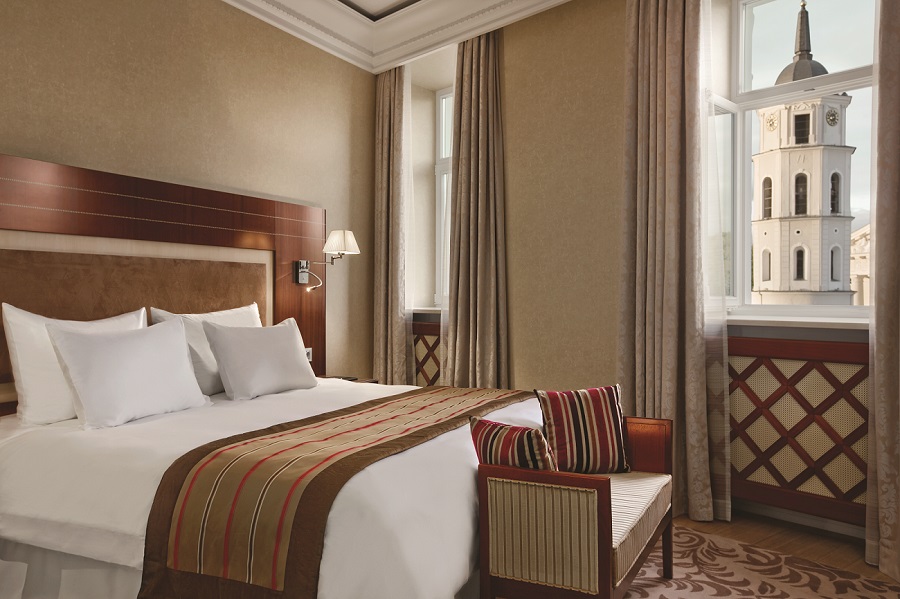
Many hotels located in historic city centers occupy buildings rich in architectural heritage. These structures often feature original decorative details that reflect the craftsmanship and aesthetics of past eras. It is therefore natural that hotels operating in such buildings strive to preserve the authenticity of the space by creating interiors that respect the spirit of the architecture. In these environments, decorative wall mouldings, cornices, and ceiling mouldings play an essential role in maintaining the historical character of the building.
At the same time, hotels located outside historic districts – in modern city areas or near entertainment complexes – often choose elegant interiors enriched with decorative mouldings for a different reason. Here, interior design becomes a powerful tool for communicating the hotel’s positioning. Carefully selected wall mouldings, ceiling trims, and architectural details help create an atmosphere that reflects refined taste and services aimed at guests who appreciate high-quality design and comfort.
In hotel interior design, decorative elements are most often concentrated in the spaces where guests form their first impressions. Hotel lobbies, restaurants, corridors, and grand staircases are frequently enhanced with ceiling rosettes, mouldings and decorative wall panels, creating a sophisticated and welcoming atmosphere.
Guest rooms are also carefully considered. In many hotels there is an unwritten rule: the higher the room category, the richer the architectural detailing. Premium suites often feature fireplaces framed with decorative mouldings, elegant pilasters, columns, or consoles, and carefully designed ceiling mouldings that emphasize the prestige of the space.
Interiors enriched with architectural details create the sense of warmth, comfort, and exclusivity that hotel guests seek. For designers and hotel developers, decorative mouldings offer an effective way to elevate interior spaces without complex structural changes. By adding depth, proportion, and classical elegance to walls and ceilings, mouldings help transform an ordinary interior into a distinctive environment.
From a business perspective, incorporating decorative mouldings, ceiling rosettes and architectural trim is also a strategic design choice. These elements can significantly enhance the perceived value of an interior, creating an atmosphere of luxury and exclusivity that resonates with guests. As a result, thoughtfully designed interiors can contribute to stronger brand identity, higher guest satisfaction, and improved return on investment – a method widely used in hotel and hospitality design around the world.
In the latest issue of Structum magazine, we continue exploring how ceiling mouldings, wall mouldings, and decorative architectural elements are increasingly used by designers of hotels, restaurants, and banquet halls to elevate interior spaces and create memorable guest experiences. Read more here.


Rekomenduojamos prekės
-

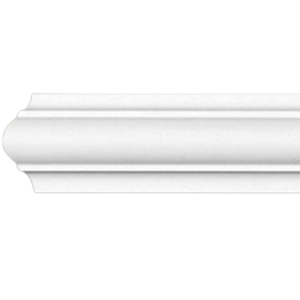
Classic Victorian Swan Neck Cornice (240 x 14.5 x 11.3 cm)
SKU: PCN-2124Stock: InstockPrice: 49,85€ -
Trim for doors and windows. Wall moldings (240 x 9.2 x 3.4 cm)
SKU: PCR-6080Stock: InstockPrice: 31,46€ -
Modern wall mouldings (240 x 4 x 2 cm)
SKU: PCR-6003Stock: InstockPrice: 15,61€ -
White skirting (244 x 15.5 x 1.6 cm)
SKU: SK-4015Stock: InstockPrice: 33,76€



Other news
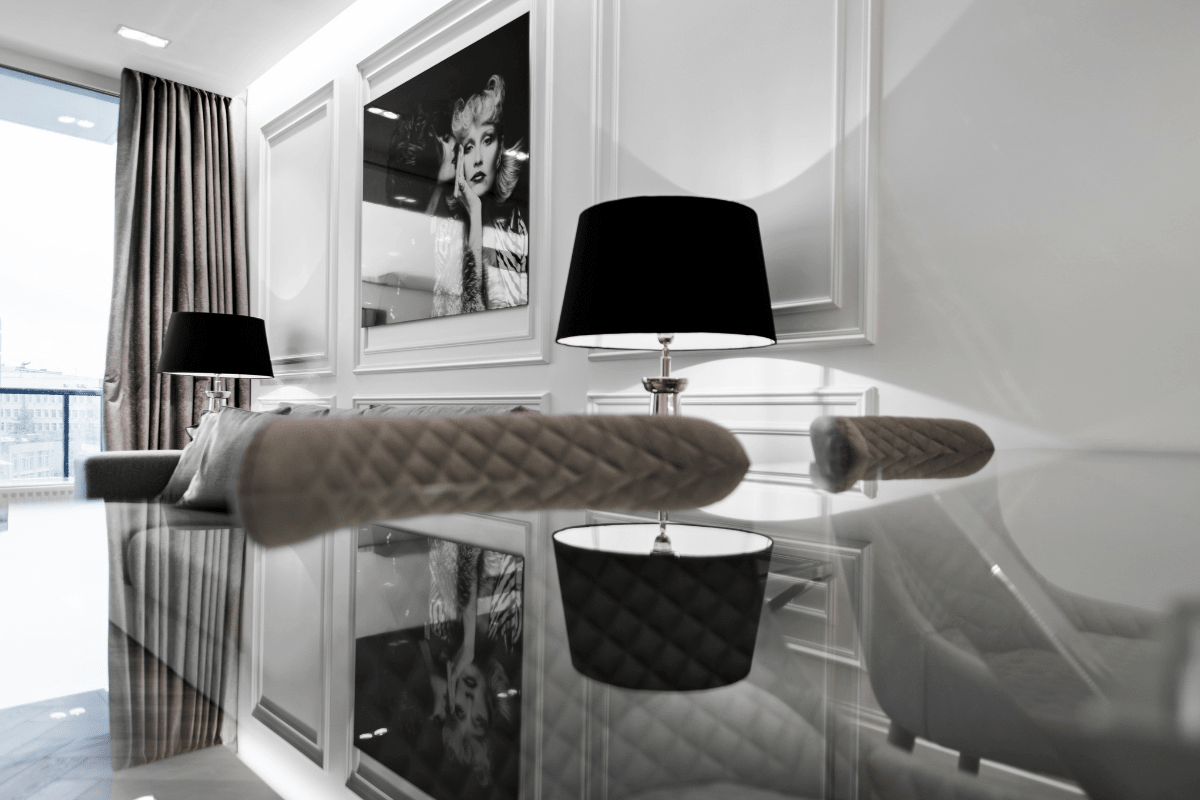
Wall Moldings – Designer Tips
A beautiful and harmonious interior is created by details that are invisible at first glance, such as: ceiling moldings, moldings and various other decorative elements designed to decorate walls, ceilings and other surfaces.
ViewBeauty salon interiors: from subtlety to luxury
A beauty salon is a place closely associated with a sense of aesthetics. Before evaluating the work of a specialist, a client visiting here usually pays attention to the environment – the colors of the walls, the arrangement of furniture and other interior details.
View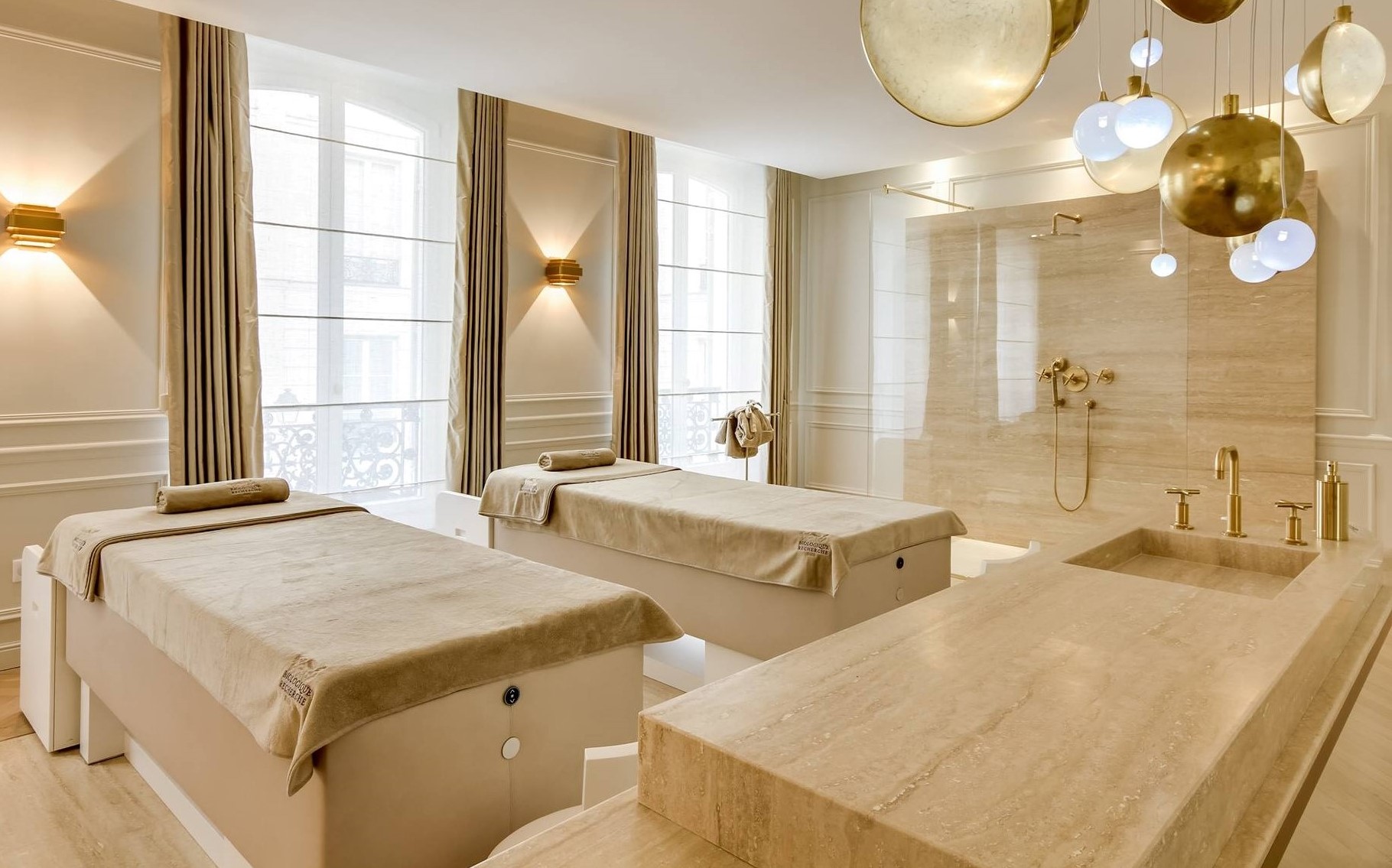
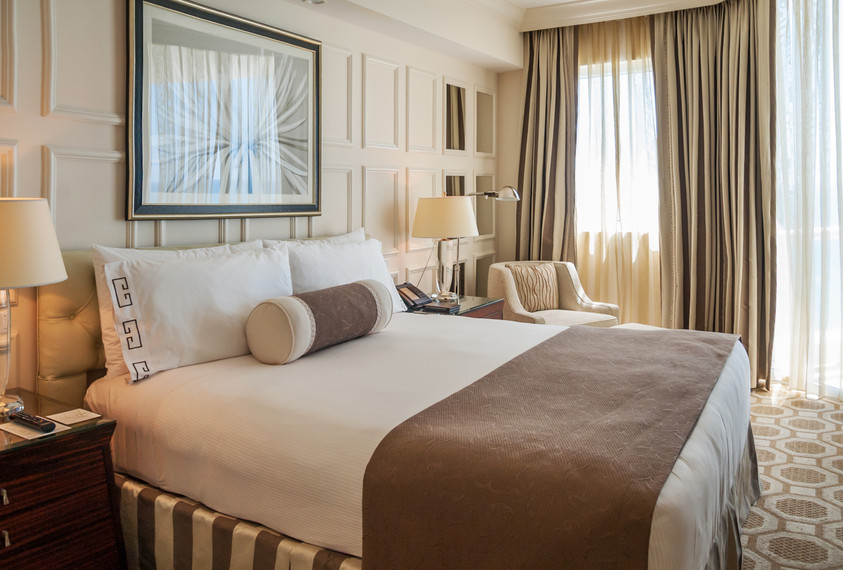
Why are hotels so willing to invest in interior decoration?
Fashion critics point out that as living conditions improve, luxurious and richly decorated clothes are becoming more and more fashionable.
ViewThe classic decor of Vilnius’ Sugamour restaurant
Sugamour is one of the most visited dessert restaurants in Lithuania, with an exclusive interior designed by designer Ekaterina Kazmazovskaya. We are happy to have contributed to this project.
View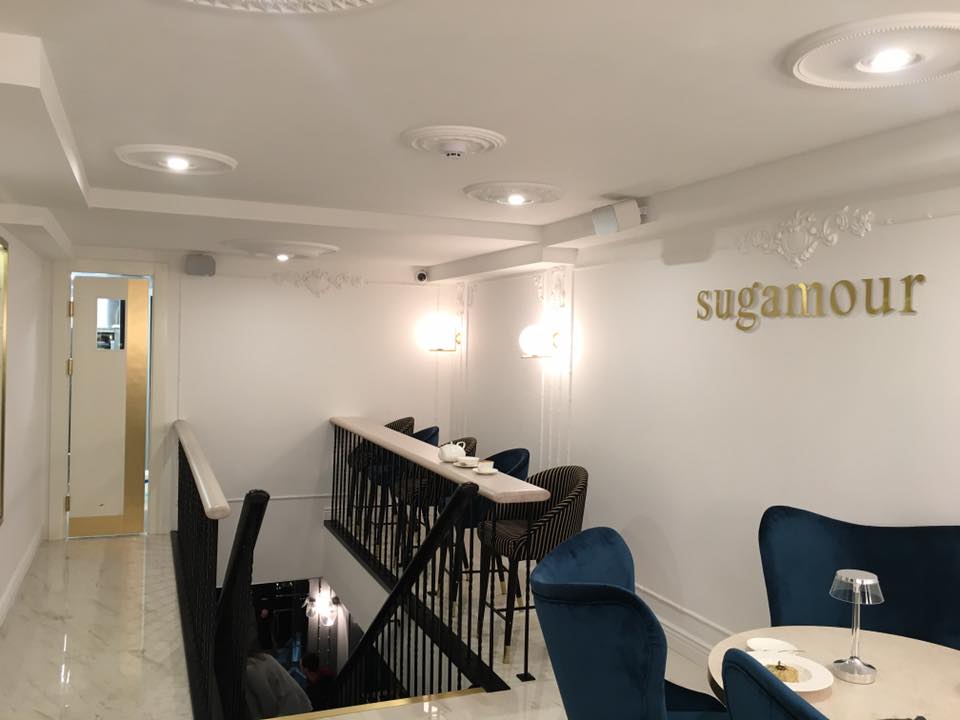


&url=https://classiclinedecor.com/en/produktas/juosta-kampine-luboms-ir-sienoms-240-x-15-2-x-10-4-cm/&media=https://classiclinedecor.com/wp-content/uploads/2019/04/Kampine-juosta-luboms-ir-sienoms-be-ornamento-PCN-2124.png)
&url=https://classiclinedecor.com/en/produktas/trim-for-doors-windows-and-walls-240-x-9-2-x-3-4-cm/&media=https://classiclinedecor.com/wp-content/uploads/2022/10/PCR-6080.png)
&url=https://classiclinedecor.com/en/produktas/molding-for-ceiling-and-walls-240-x-4-x-2-cm/&media=https://classiclinedecor.com/wp-content/uploads/2015/07/Dekoro-juosta-luboms-ir-sienoms-PCR-6003.png)
&url=https://classiclinedecor.com/en/produktas/skirting-board-244-x-15-5-x-1-6-cm/&media=https://classiclinedecor.com/wp-content/uploads/2022/10/SK-40153-2.jpg)