Names of ornaments, their history of origin and immortality in architecture
Clear, clean forms, respect for geometry, cleverly stylized plant motifs – all this is appreciated today by fans of classical interiors. The same principles were also appreciated in ancient Greece many centuries ago. It is not for nothing that the classical style is closely related to antiquity, or rather, inspired by it, it adopted the most popular ornaments and architectural details of that time. Time has not forgotten this style, on the contrary, it has made it immortal and never out of fashion.
Today, it is interesting to look back to appreciate the Greek efforts to breathe life into architecture using ornament and relief decoration. These efforts were also appreciated by the architects of ancient Rome, who adopted the most ornate Greek ornaments and further popularized them. Most of these ornaments were also loved during the Renaissance period, and later adopted by proponents of classical and neoclassical styles.
Some of the most popular ornaments, relevant in the decoration of classical interiors today:
Astragalus
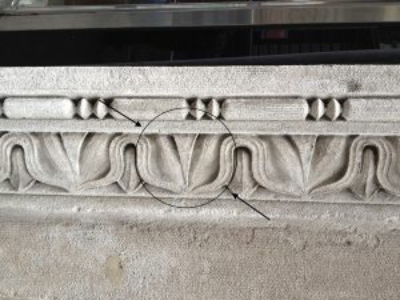
The astragalus ornament is also characterized by asceticism and strict geometry. It is a rhythm of successive rows of hemispheres, circles or ovals, rhythmically alternating with sticks or diamonds. Delicate decorative moldings with an astragalus ornament are one of the most popular decorative elements of classical style architecture.
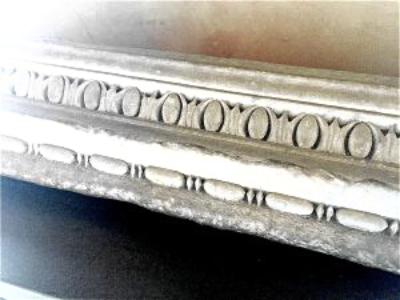
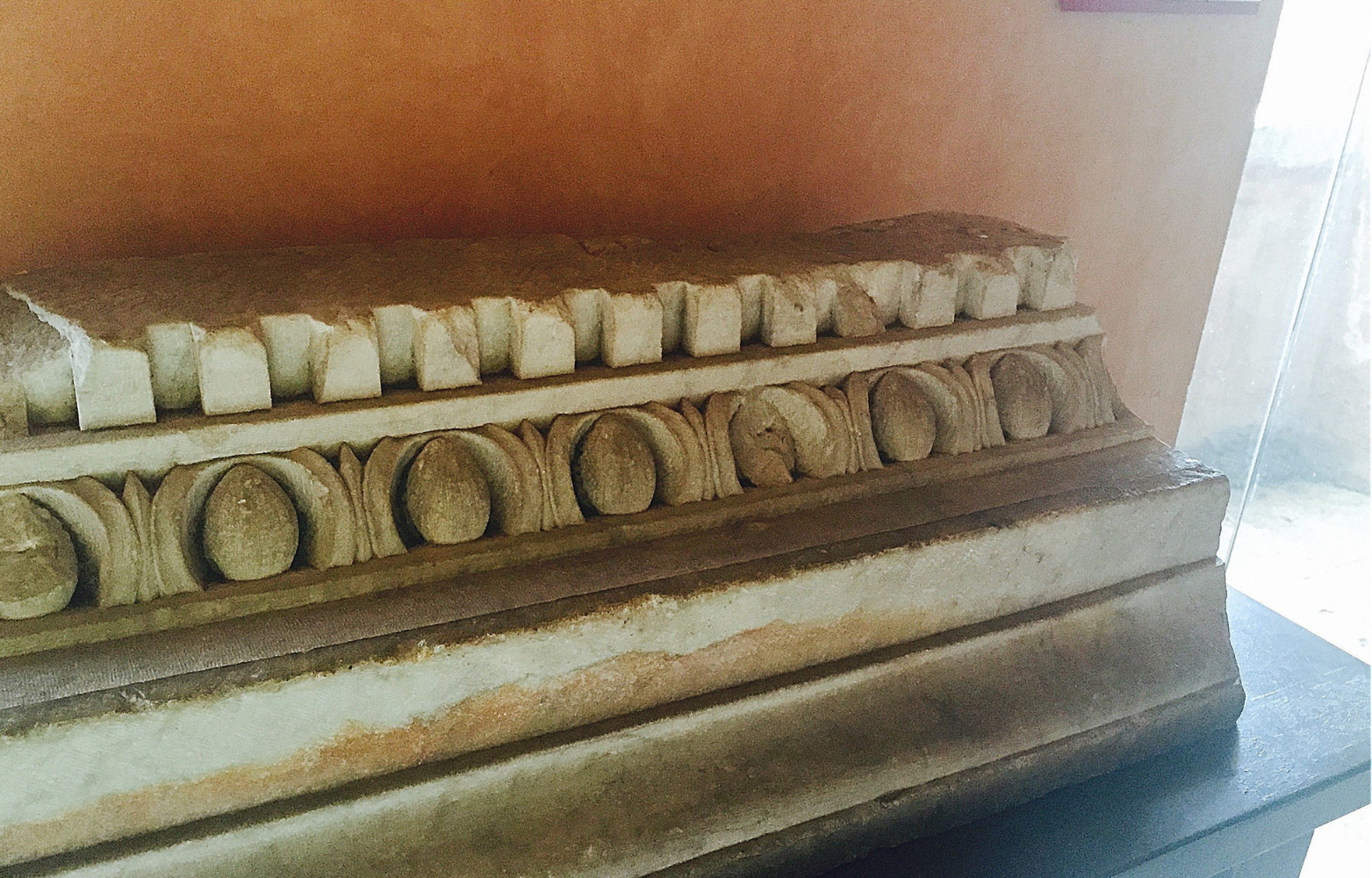
Cymatias
A wavy band ornament of stylized bull’s eyes or eggs (Eggs&Durts) with intervening arrow motifs. Cymatias has been used in antiquity and today for the decoration of crowning cornices, ceiling decoration strips, and column capitals. Having appeared in ancient Greek architecture, this ornament successfully spread to ancient Rome, and modifications reached the decoration of Renaissance, Baroque, Classicism, and Neoclassicism buildings.
Palmette
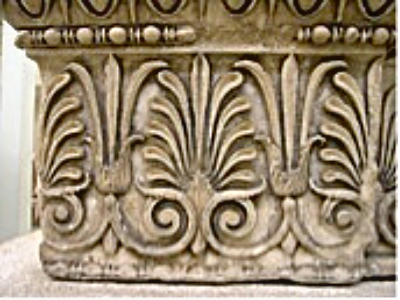
Another plant motif in the bouquet of ornaments. This is an ornament inspired by a palm leaf that appeared in Egypt in 2,500 BC and came to Greece (here called Anthemion) via the island of Crete. Interestingly, the Greeks did not blindly copy this ornament, but improved it by adding various inscriptions reminiscent of grape mustaches. The palmette successfully found its way into the architectural decor of ancient Rome and later other styles that followed the examples of antiquity. The ornament was adapted to each era and location, thus slightly changing its shape. This ornament quickly became established in architectural decoration and diversified the range of geometric ornaments. The palmette simply fascinated everyone with its expressiveness – it symbolized the tree of life. In modern classical interiors, palmettes continue to hold positions and are often seen in ceiling moldings – strips (e.g.: CN-3064).
Acanthus
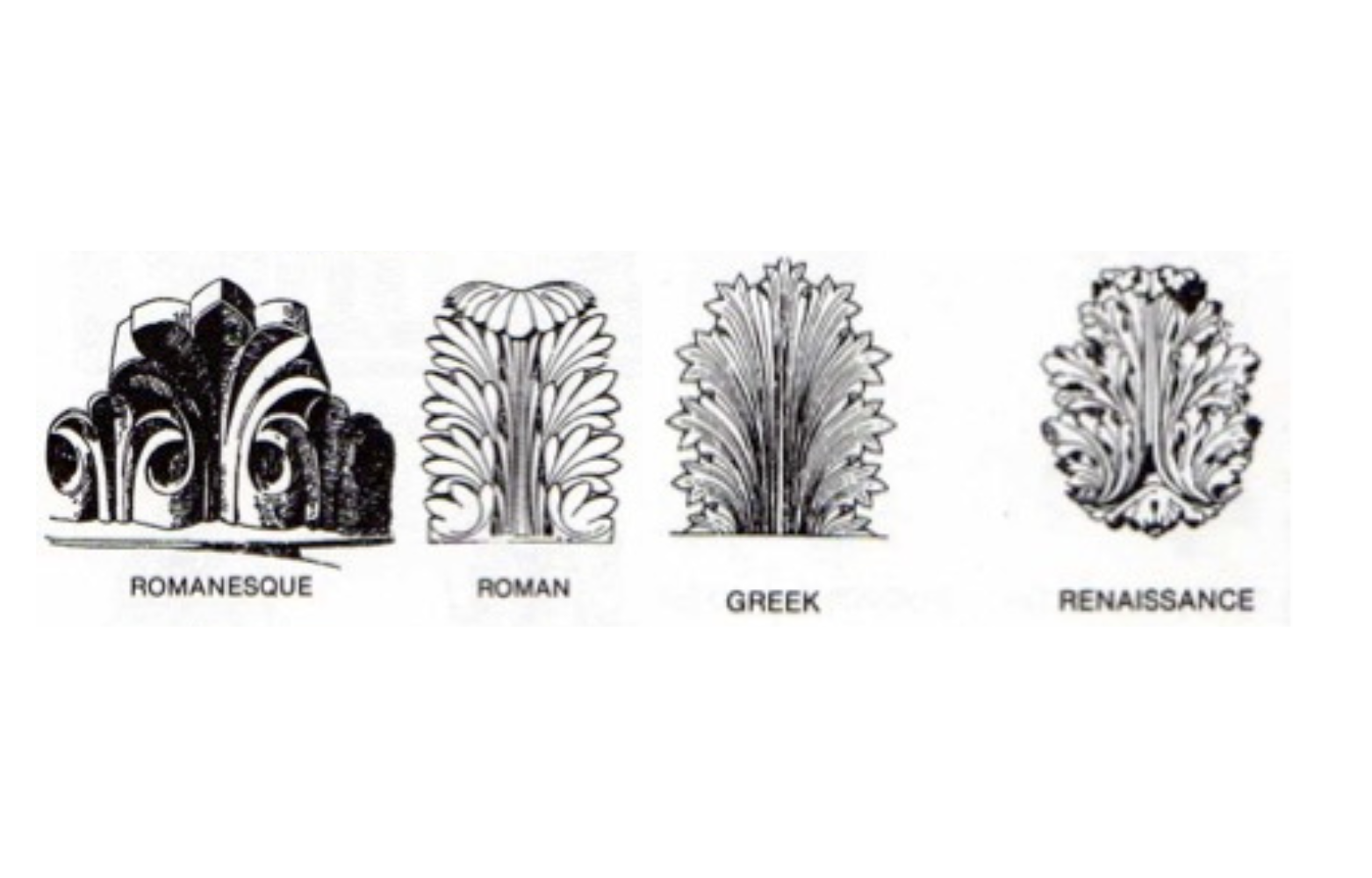
Another beautiful and expressive ornament characteristic of antiquity is acanthus. Stylized, deeply carved leaves of the Acanthus plant became the basis of the ornament, in Greece it was used to decorate column capitals, cornices, friezes, and in ancient Rome it was used in architecture and art in styles that followed the example of antiquity. The symbolism of acanthus is closely related to art, the plant was considered a symbol of art and a tireless artist. It proclaimed – “do not stop, improve, rise higher”. The motif of carved leaves is extremely popular today in the decoration of decorative consoles and ceiling moldings (e.g.: CB-8018).
Lambs Tongue
Another very popular plant motif often used in cornice decoration was the stylized leaves of the woolly nostra plant (Lambs Tongue). This ornament has also survived many centuries and is still one of the most popular in the decoration of classical interiors and furniture (e.g. CN-3114 ceiling strip).
Dentil
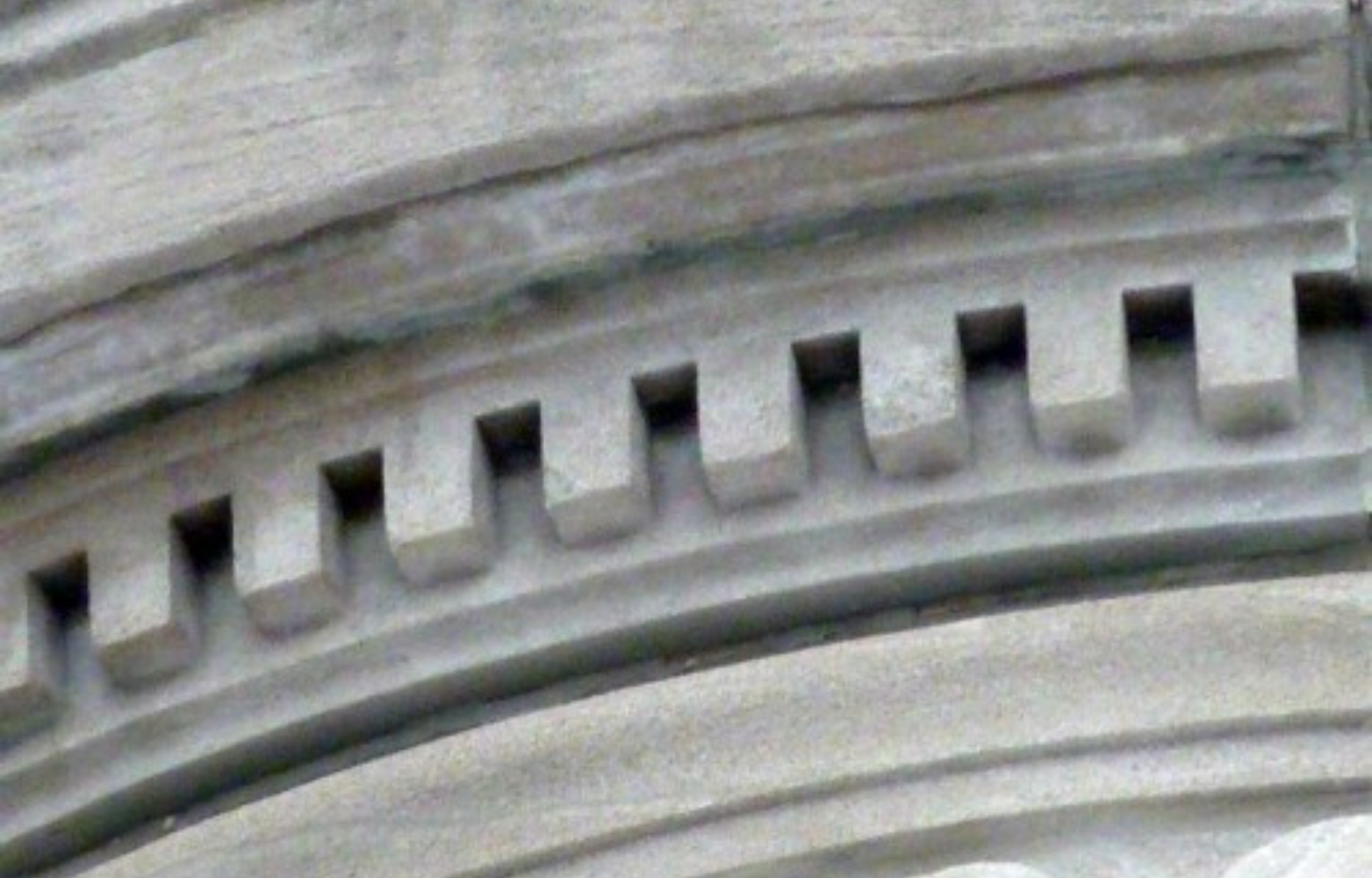
Dentil – teeth. This pattern was inspired by the cut ends of rafters, and its emergence was greatly influenced by Persian culture. The oldest example of the pattern is found in the decoration of the tomb of the Persian ruler Darius in 500 BC. The ancient Greeks quickly adopted it and it was already widely used in the decoration of the buttresses of Greek buildings of almost the same period. The pattern became the main decor used by Roman and Renaissance architects.
Festoon – Festal garland
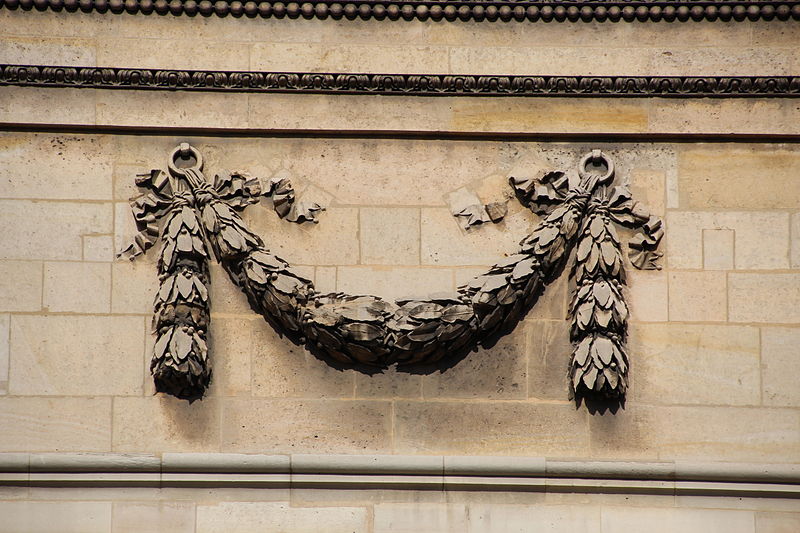
An architectural ornament originating in ancient Greece and Rome, depicting a garland of wreaths suspended at two ends and usually tied with a ribbon. A garland of wreaths is woven from flowers, leaves, or fruit. In architecture, garlands are often used to decorate the main entrance door, the entire wall along the upper edge of the building.
Acroterion
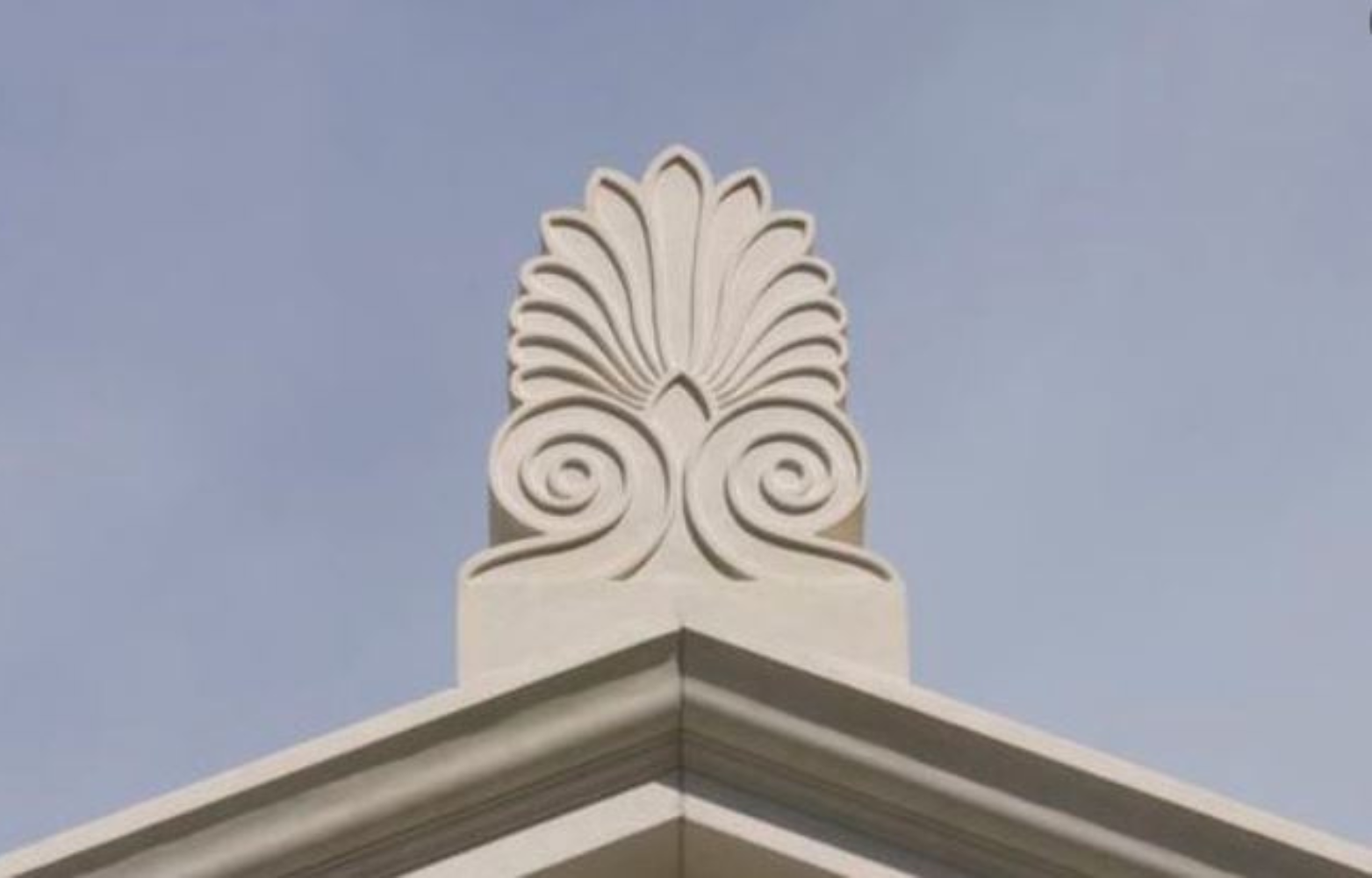
This is an ornament used in the corners of roofs, in the decoration of Greek temples or classical-style buildings, as well as in the decoration of furniture such as bookshelves or beds. These ornaments are also seen in the decoration of column capitals.
Volute
The spiral (or wave) is another great example of a classical ornament, also originating from ancient Greece. This seemingly abstract ornament is full of symbolism. The spiral was associated with development and movement for the Greeks, it was a perfect symbol of life. These geometrized waves also symbolized the entire Universe. Two twisted spirals, called volutes, decorated the columns and gave vitality to the extremely strict Doric style. Such columns became a distinctive feature of the Ionic order. It is also found in Roman and later Renaissance and Classicist periods in decorative art and architecture. The expressive and dynamic wave ornament still adorns classical decorative cornices, capitals of decorative columns and pilasters (e.g. RC-10015-4 and RC-10037-1).

All this ornamentation is relevant and popular today. It continues to successfully decorate classical-style interiors. Thanks to modern technologies, ornamentation is placed on easily installed decorative strips, pilasters, consoles, columns. At least a bit of antiquity or classics can warm up even a modern minimalist or restrained Scandinavian interior. Just one or a few cleverly selected classical details can bring surprise, interesting sound and symbolism that will not be forgotten for centuries.
Rekomenduojamos prekės
-

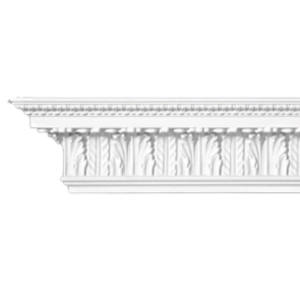
Acanthus Leaf Cornice (243.7 x 17.5 x 12.7 cm)
SKU: CN-3091Stock: InstockPrice: 72,12€ -
Sale!
Cornices mouldings (244 x 10.5 x 9.3 cm)
SKU: CN-3042Stock: InstockOriginal price was: 33,88€.20,33€Current price is: 20,33€. -
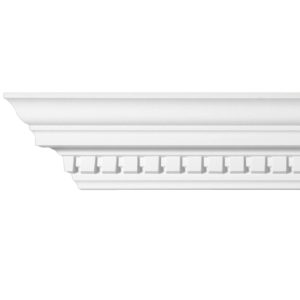
Dentil Cornice (239.9 x 9.1 x 8 cm)
SKU: CN-3010Stock: InstockPrice: 29,77€ -
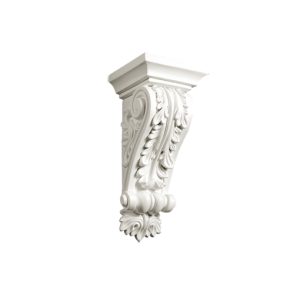
Console (33 x 13.6 x 13.6 cm)
SKU: CB-8018Stock: InstockPrice: 38,96€

Other news
Combining modern and classic style
Modern classics have been reigning for years, both in Lithuania and around the world. Classic wall and ceiling decoration details are often used to create this combination.
ViewColumns and pilasters: classic luxury
Columns and pilasters, reminiscent of a glorious era, are filled with luxury and solidity. Such ornamentation obliges to maintain a classical style throughout the interior.
View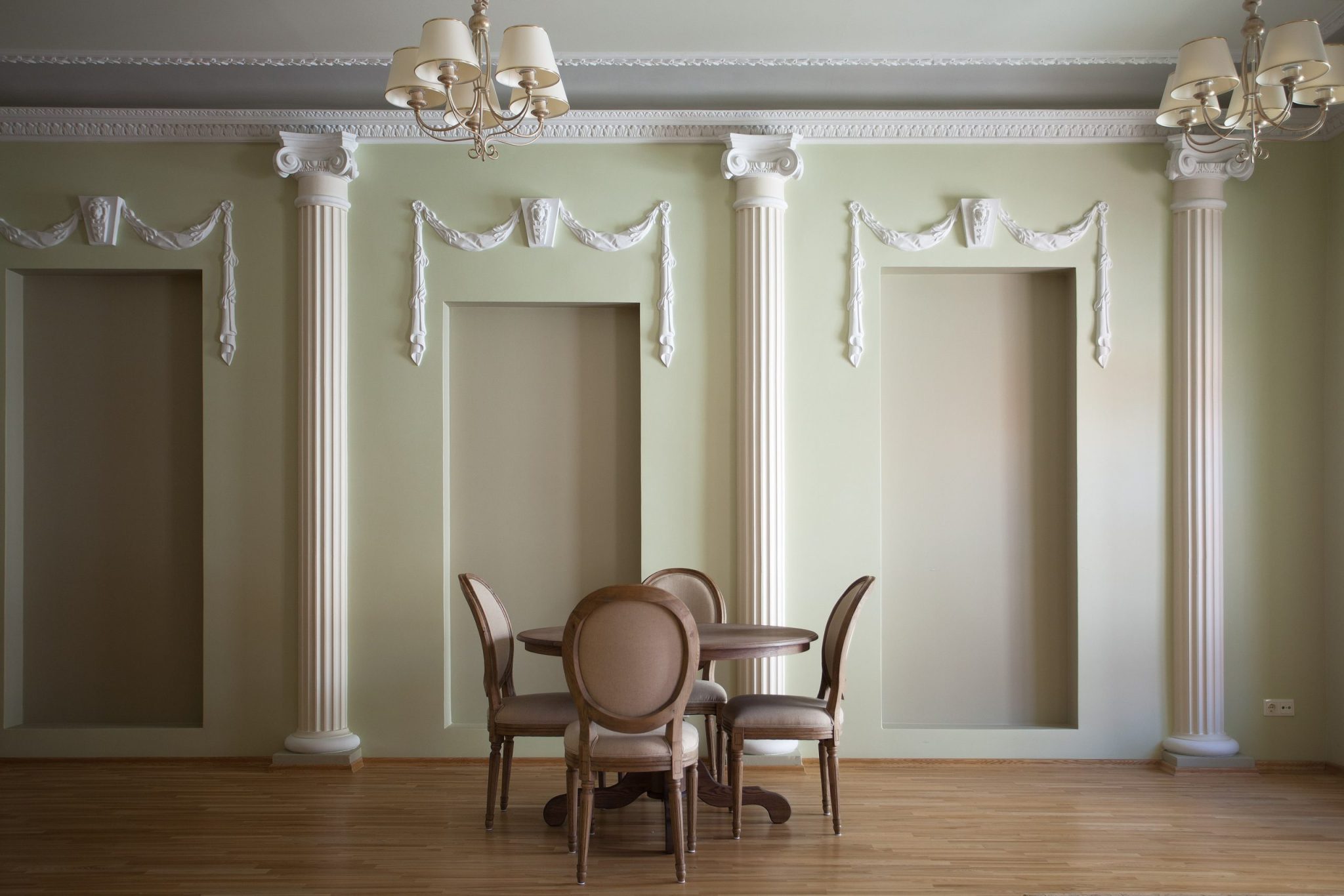
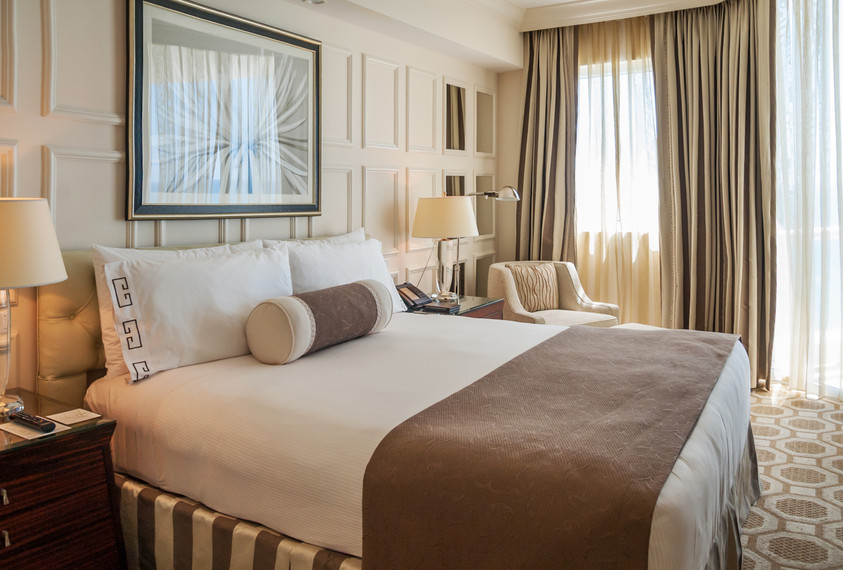
Why are hotels so willing to invest in interior decoration?
Fashion critics point out that as living conditions improve, luxurious and richly decorated clothes are becoming more and more fashionable.
ViewLet’s create a more comfortable environment together with Classic Line Decor
Many people are probably already tired of empty, cold and boring walls at home, reminiscent of Scandinavian minimalism. Such an environment is more suitable for offices, but not for homes.
View


&url=https://classiclinedecor.com/en/produktas/corner-molding-for-ceiling-and-walls-with-ornament-243-7-x-17-5-x-12-7-cm/&media=https://classiclinedecor.com/wp-content/uploads/2015/07/Kampine-juosta-luboms-ir-sienoms-su-oramentu-CN-3091.png)
&url=https://classiclinedecor.com/en/produktas/juosta-kampine-luboms-ir-sienoms-su-ornamentu-244-x-10-5-x-9-3-cm/&media=https://classiclinedecor.com/wp-content/uploads/2022/10/F-CN-3042-1.jpg)
&url=https://classiclinedecor.com/en/produktas/corner-molding-for-ceilings-and-walls-with-ornamentation-239-9-x-9-1-x-8-cm/&media=https://classiclinedecor.com/wp-content/uploads/2015/07/Kampine-juosta-luboms-ir-sienoms-CN-3010.jpg)
&url=https://classiclinedecor.com/en/produktas/konsole-33-x-13-6-x-13-6-cm/&media=https://classiclinedecor.com/wp-content/uploads/2022/10/CB-80181-2.jpg)